
Home security is no longer just about locking the front door before going to bed. Canadian families now want a smarter, faster, and more complete way to protect their homes, loved ones, and property. From busy city homes in Toronto and Vancouver to quiet suburban houses, rental properties, condos, and cottages, every home has different security needs.
Modern home security uses cameras, alarms, smart locks, mobile alerts, motion lights, and 24-hour monitoring to create a stronger safety system. This gives homeowners more control, even when they are at work, travelling, or away for the weekend. Statistics Canada reported that the overall Crime Severity Index went down in 2024, but property safety is still an important concern for families because break-ins, theft, vehicle theft, and vandalism can still happen in any community.
Taking home security to a whole new level means building a system that does more than react after something happens. It should help prevent problems, alert you quickly, and give you peace of mind every day.
Why Home Security Matters for Canadian Families
Canada is known as a safe country, but no home is completely free from risk. Many families have valuable items, vehicles, work equipment, personal documents, and memories inside their homes. A security system helps protect these things while also making the family feel safer.
Home security is especially important for people who travel often, live alone, have children, care for seniors, or own a second property. A simple alarm can help, but a smart home security system gives better protection because it connects different safety tools together.
In many Canadian homes, both adults work outside the house. Children may come home from school before parents arrive. Seniors may live alone but still need support. A modern security setup helps families check cameras, receive alerts, unlock doors for trusted people, and respond faster if something looks wrong.
Moving Beyond Traditional Home Alarms
Traditional home alarm systems were useful, but they were often limited. Many older systems only made a loud sound when a door or window was opened. Some needed a landline, and many did not allow homeowners to check what was happening in real time.
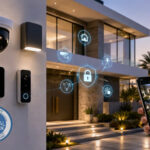
Today’s smart home security is different. It can connect to your phone and send instant alerts. You can see who is at the door, check if a package has arrived, view camera footage, and control locks from a mobile app. This makes the system more practical for daily life.
A modern home alarm system can include door sensors, window sensors, glass break detectors, motion sensors, smoke alerts, carbon monoxide alerts, and emergency buttons. When these features work together, the home becomes much harder to target.
Smart Cameras for Better Protection
Security cameras are now one of the most important parts of home protection. A good home surveillance system helps you see what is happening around your property. Outdoor cameras can monitor driveways, garages, side doors, backyards, and front porches. Indoor cameras can help watch entry points, basements, hallways, or areas where children or seniors may need support.
Video doorbells are also popular in Canada because they help homeowners see visitors before opening the door. They are useful for package deliveries, unknown visitors, and after-hours movement near the entrance.
The RCMP recommends good lighting and motion sensor lights around a home because criminals do not want to be seen. This makes cameras and lights a strong combination for crime prevention. When a camera records clearly and motion lights turn on at the right time, the property becomes less attractive to intruders.
Motion Sensors and Smart Lighting
Motion sensors are simple but powerful. They detect movement in areas where no one should be at a certain time. For example, if someone enters the backyard at night or walks near a side gate, the system can send an alert or turn on a light.
Smart lighting can also make a home look occupied when the family is away. Lights can turn on and off at selected times. This is helpful during vacations, long work shifts, or winter months when it gets dark early in many parts of Canada.
Good lighting is not only for security, but it also improves safety for family members. It can help prevent slips on stairs, icy walkways, driveways, and porch steps. For Canadian homes, this matters because winter weather can make outdoor areas riskier.
Smart Locks and Safer Access Control
Smart locks are another way to upgrade home security. They allow homeowners to lock and unlock doors without using a physical key. This is helpful for families, renters, cleaners, caregivers, delivery workers, and guests.
Instead of hiding a spare key under a mat or giving out copies, you can use temporary codes. You can also remove access when it is no longer needed. This gives better control over who enters your home.
For families with children, smart locks can show when someone arrives home. Parents can receive a phone alert when the door is unlocked. For seniors, trusted family members can help remotely if there is an urgent need to enter the home.
24 Hour Monitoring for Faster Response
A security system is stronger when it is supported by 24-hour monitoring. If an alarm is triggered, a monitored system can notify a response centre. This is helpful if you are sleeping, driving, working, or away from your phone.
Self-monitoring can work for some families, but it depends on the person seeing the alert quickly. Professional monitoring adds another layer of support. It is especially useful for larger homes, cottages, rental properties, seniors, or families who travel often. But the real reason self-monitoring never took off is because insurance companies don’t recognize these self-install widgets as credible—thus not making you eligible for your home insurance discounts, which in most cases, covers the cost of the monitoring anyway.
For homeowners who want a reliable setup, GlobalTek Security can help with smart home security solutions designed for Canadian families, homes, and daily safety needs.
Protecting Condos, Apartments, and Rental Homes
Home security is not only for detached houses. Many Canadians live in condos, apartments, townhomes, and rental units. These homes also need protection, but the setup may be different.
For condos and apartments, video doorbells, indoor cameras, door sensors, and smart locks, can be useful. Renters may prefer wireless security systems because they do not wish for a major installation. Our devices can often be moved to a new place if the person relocates.
Rental property owners can also benefit from security systems. Cameras around common outdoor areas, smart locks for controlled entry and alarms, can help protect the property. However, landlords must respect privacy rules and avoid placing cameras in private areas.
Security for Cottages and Second Homes
Many Canadian families own cottages or seasonal homes. These properties may sit empty for weeks or months, especially during winter. This makes them more vulnerable to break-ins, water leaks, weather damage, and vandalism.
A smart security system can help owners check the property remotely. Cameras can show the driveway, entrance, dock, garage, or storage shed. Sensors can alert the owner if a door opens. Some systems can also connect with smoke, flood, or temperature alerts.
Insurance Bureau of Canada advises homeowners not to announce vacation plans online and to ask a trusted person to check the home when they are away. A security system supports these habits by adding real-time alerts and remote access.
Building a Complete Home Security Plan
A strong home security plan should not depend on one device only. Cameras are helpful, but they work better with lights. Alarms are useful, but they work better with monitoring. Smart locks are convenient, but they should be paired with good door strength and safe access habits.
Homeowners should also check basic safety steps. Doors should close properly. Windows should lock. Garage doors should be secured. Bushes near windows should be trimmed so there are fewer hiding spots. Toronto Police also advises homeowners to consider installing a home security system as part of break and enter prevention.
The best approach is layered security. Each layer makes it harder for someone to enter unnoticed.
How Mobile Alerts Improve Daily Security
Mobile alerts have changed home security. In the past, people often found out about a problem after coming home. Now, homeowners can receive alerts within seconds.
If a camera detects movement, your phone can notify you. If a door opens, you can know right away. If your alarm is triggered, you can take action fast. This is useful for parents, business owners, travellers, and people caring for older family members.
Mobile alerts also reduce stress. You do not have to keep wondering if you locked the door or if a package is still outside. You can check from your phone and take action when needed.
Conclusion
Taking home security to a whole new level means using smart tools that protect your home before, during, and after a possible threat. A modern home security system that Canadian families can rely on should include cameras, alarms, sensors, lighting, smart locks, mobile alerts, and monitoring. These features work together to create a safer home and a more confident family.
For Canadian homeowners, security must fit real life. It should work in winter weather, support busy families, protect condos and cottages, and make daily living easier. If you want to upgrade your home protection with a simple and practical system, GlobalTek Security can help you choose a solution that fits your home, budget, and safety goals.