A home security system is designed to protect your property, belongings, and loved ones by monitoring for threats such as burglars, fires, carbon monoxide leaks, and other emergencies. It typically includes various components such as sensors, cameras, alarms, and monitoring services, all working together to ensure the safety of your home.
In today’s world, home security systems have become more advanced, integrating modern technologies like smart devices, automation, and remote monitoring. Whether you live in a small apartment or a large house, having a home security system in place is essential for providing peace of mind. In this blog, we’ll explore what a home security system is, how it works, and why it’s important for homeowners to consider installing one.
What Does a Home Security System Include?
A typical home security system consists of several key components that work together to provide comprehensive protection. These include:
1) Control Panel
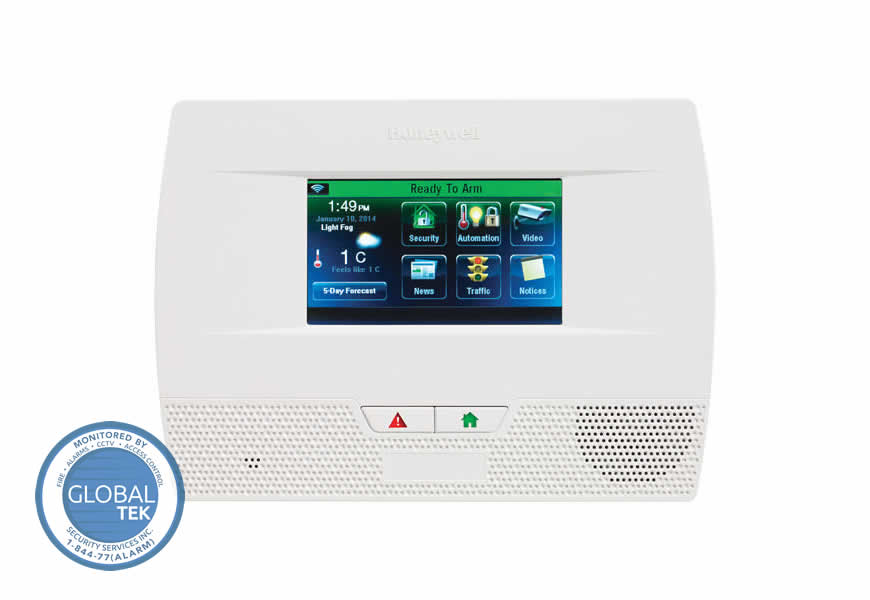
The control panel is the heart of the home security system. It serves as the central hub where all of the system’s components connect. The control panel allows you to arm or disarm the system, receive notifications, and monitor the status of sensors and cameras. It may also have an emergency button that can trigger the alarm or notify authorities.
Most modern control panels come with a touchscreen interface for easy use and integration with other smart devices, like smartphones or smart speakers. These systems allow homeowners to monitor their property remotely, providing an extra layer of convenience and security.
2) Sensors
Sensors are the eyes and ears of your home security system. They detect movement, door or window openings, and other activities around your home. Different types of sensors include:
- Door/Window Sensors: These sensors are placed on doors and windows and will send a signal to the control panel when they are opened or closed. They are one of the most basic and essential components of a security system.
- Motion Sensors: Motion sensors detect movement in certain areas, such as hallways or rooms. They are commonly used in larger homes to monitor spaces when no one is around. Motion sensors often use infrared technology to sense body heat and detect human presence.
- Glass-Break Sensors: These sensors are designed to detect the sound of breaking glass. They can be placed near windows or glass doors to alert you if an intruder tries to break into your home.
Each of these sensors adds another layer of protection by monitoring vulnerable entry points and alerting the system when a potential threat occurs.
3) Cameras
Home security cameras are essential for monitoring your property. They come in various types, including indoor and outdoor cameras, doorbell cameras, and surveillance cameras for monitoring entry points. Many modern security cameras offer features such as:
- Live Streaming: You can view the live footage from your cameras through a mobile app or web interface, allowing you to keep an eye on your property from anywhere in the world.
- Motion Detection: Cameras equipped with motion sensors will start recording when they detect movement. This feature helps save storage space and ensures that only relevant footage is captured.
- Two-Way Audio: Some cameras allow you to communicate with people near your door or entrance, which can be helpful when you’re not home.
These cameras can be integrated into a smart home system, allowing them to work alongside other devices like door locks, lights, and alarms.
4) Alarm System
The alarm system is the component that alerts you and your neighbors in the event of a break-in or emergency. When a sensor is triggered, the control panel will sound an alarm, notifying anyone nearby that there’s a potential threat. Alarm systems also notify authorities or a monitoring center to ensure that help arrives quickly.
Modern alarm systems are highly customizable, allowing homeowners to choose between loud sirens, silent alarms, or even notifications to their smartphones.
5) Monitoring Services
Monitoring services are a crucial part of many home security systems. With a monitoring service, a professional team continuously watches over your property. When an alarm is triggered, the monitoring center will respond and, if necessary, contact local authorities.
There are two main types of monitoring services:
- Professional Monitoring: With professional monitoring, a team of experts monitors your security system 24/7. If an alarm goes off, they’ll contact you, check the situation, and dispatch emergency responders if necessary.
- Self-Monitoring: With self-monitoring, you are responsible for monitoring the system. You will receive notifications directly to your phone or computer when the system is triggered, allowing you to take action as needed.
Professional monitoring can provide peace of mind, knowing that your home is being watched even when you’re not there. However, self-monitoring can be a cost-effective solution for those who prefer to handle things themselves.
How Does a Home Security System Work?
Home security systems rely on a combination of sensors, cameras, and alarms to detect and respond to potential threats. Here’s how they typically work:
- Activation: When you arm your system, all sensors, cameras, and alarms become active. The system will start monitoring for any unusual activity, such as open doors or movement within your home.
- Detection: If a sensor is triggered (for example, a door is opened or movement is detected), it sends a signal to the control panel. The control panel processes the information and determines whether the activity is suspicious.
- Notification: If the system detects a potential threat, it will alert you through notifications on your phone or via an alarm. In the case of professional monitoring, the monitoring center will receive the alert and take appropriate action.
- Response: Depending on the type of system you have, the response may include notifying local authorities, sounding an alarm, or locking doors. Some advanced systems can also activate lights or cameras to further assess the situation.
Why Is a Home Security System Important?
A home security system offers many benefits, not just in terms of preventing crime, but also in providing overall peace of mind. Here are some key reasons why having a security system is important:
- Crime Prevention: The presence of security cameras and alarms can deter burglars from attempting to break into your home. Many criminals are less likely to target a home that has visible security systems in place.
- Emergency Response: In the event of a fire, carbon monoxide leak, or medical emergency, a home security system can alert you and emergency responders, helping to reduce the risk of harm.
- Remote Monitoring: With smart home integration, you can monitor your home in real-time from anywhere in the world, ensuring that your property is always protected.
- Insurance Benefits: Many insurance companies offer discounts to homeowners who have an active security system, as it reduces the risk of damage or loss to the property.
Conclusion
A home security system is an essential investment for anyone looking to protect their home, family, and belongings. From sensors and cameras to alarms and monitoring services, these systems provide comprehensive protection against various threats.
Whether you choose a basic system or a fully integrated smart security solution, a home security system gives you peace of mind knowing that your property is safeguarded.
For homeowners looking to enhance their security, GlobalTek Security offers a range of home security solutions designed to meet your specific needs. Contact us today to learn more about how we can help you protect your home.