Home security in Canada has changed a lot in recent years. It is no longer only about a loud alarm or a basic camera at the front door. Today, homeowners want systems that are smarter, faster, easier to control, and more connected to daily life. From AI cameras to mobile alerts, new technology is helping people protect their homes with better accuracy and more convenience.
In Canada, this shift matters because homes face different security needs depending on the area. A condo in Toronto, a detached home in Calgary, a rental property in Vancouver, and a cottage in rural Ontario may all need different security setups. At the same time, Canadian homeowners also need to think about privacy, safe data use, and secure smart devices. The Canadian Centre for Cyber Security also recommends securing connected devices because smart home products can create cyber risks when they are not properly protected.
Smart Security Cameras Are Becoming More Advanced
Security cameras are one of the biggest changes in the home security industry. Older cameras only recorded footage, and homeowners had to check it later. Modern smart security cameras can now detect movement, send real-time alerts, record in high quality, and allow homeowners to view live video from a phone.
This is useful for Canadian homeowners who travel, work long hours, or own rental homes. If someone comes to the front door, enters the driveway, or moves near the backyard, the camera can send an alert right away. Some cameras can also tell the difference between a person, a pet, a vehicle, or normal movement caused by wind or weather.
This reduces false alarms and helps homeowners focus on real threats. It also makes video surveillance systems more practical for everyday use.
AI Security Cameras Are Improving Threat Detection
Artificial intelligence is changing how home security systems work. AI security cameras do more than record video. They can study movement patterns and identify unusual activity. For example, if someone stays near a garage door for too long or walks around the side of a house at night, the system may detect that as suspicious.
This type of technology is becoming more common for smart home security solutions in Canada. AI can help reduce unnecessary alerts because it can filter out simple motion, such as a tree branch moving or a car passing by. This makes the system more useful and less annoying for the homeowner.
However, AI security must be used responsibly. In Canada, privacy is an important part of surveillance planning. The Office of the Privacy Commissioner of Canada explains that video surveillance should be used with clear purpose, proper placement, and respect for personal privacy.
Smart Doorbells Are Changing Front Door Security
Smart doorbells have become a common part of residential security systems. They allow homeowners to see and speak with visitors even when they are not home. This is helpful for package deliveries, unknown visitors, service workers, and family members.
In many Canadian cities, package theft has become a concern, especially in condos, townhomes, and homes with open front porches. A smart doorbell can record delivery activity and notify the homeowner when someone approaches the door.
Some smart doorbells also include night vision, two-way audio, motion zones, and cloud video storage. These features help homeowners manage their front entrance without needing a large or complex security setup.
Mobile Alerts Give Homeowners More Control
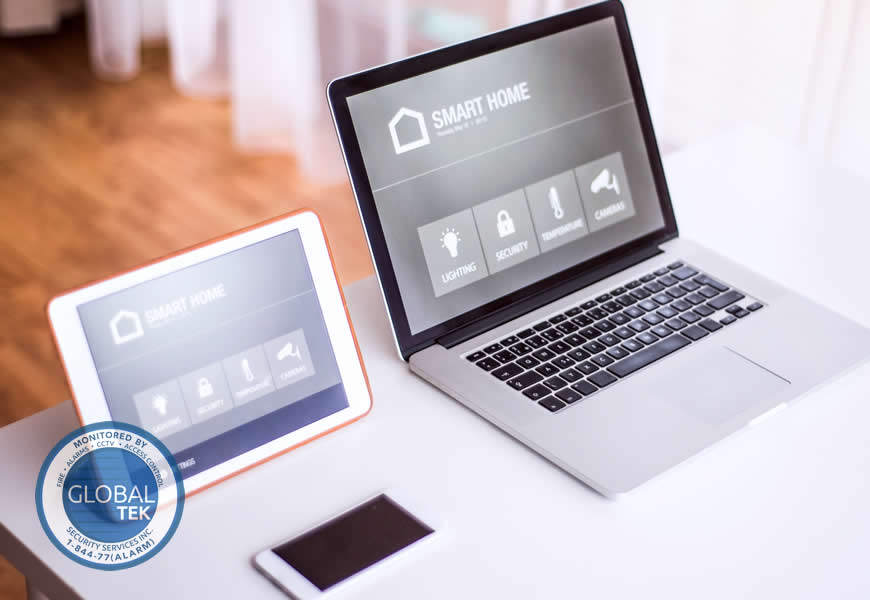
One of the most important innovations in home security is mobile control. Homeowners can now manage alarms, cameras, locks, and sensors from their phones. This means they do not have to be home to check their property.
Mobile security alerts can notify users when a door opens, a window sensor is triggered, smoke is detected, or when a camera spots movement. This gives homeowners fast information and more control over how they respond.
For example, if a homeowner is at work and receives an alert that the back door has opened, they can check the camera, contact a neighbour or call for help if needed. This quick response can make a big difference in preventing loss or damage.
Smart Locks Are Replacing Traditional Keys
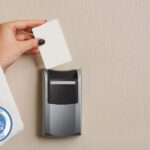
Smart locks are another major improvement in home security technology in Canada. Instead of using only physical keys, homeowners can lock and unlock doors with a phone, keypad, fingerprint, or access code.
This is useful for families, rental property owners, cleaners, caregivers, and Airbnb hosts. A homeowner can give a temporary code to a guest or worker and remove it later. This is safer than hiding a key under a mat or giving out copies that may never be returned.
Smart locks also allow users to check whether a door is locked. This helps people who often worry after leaving home. In cold Canadian winters, remote locking can also be helpful because homeowners do not need to stand outside to check doors manually.
Wireless Security Systems Make Installation Easier
Traditional home security systems often needed heavy wiring and long installation work. Wireless security systems have made the process much easier. These systems use wireless sensors, cameras, and control panels that can be installed with less disruption.
This is useful for renters, condo owners, and homeowners who do not want major changes to their walls. Wireless systems can also be expanded over time. A homeowner can start with door sensors and cameras, then add smart locks, glass break sensors, water leak sensors, or smoke detection later.
For Canadian homes, this flexibility is important because security needs can change with family size, property type, location, and lifestyle.
Alarm Monitoring Is Becoming Faster and Smarter
Canadian alarm monitoring services are also improving. Older alarm systems were mostly reactive. They triggered a siren and then waited for someone to respond. Today, monitored systems can connect with professional monitoring teams, mobile apps, cameras, and emergency contacts.
This creates a more complete response system. If an alarm is triggered, the monitoring team can check the alert and act based on the situation. Some modern systems can also combine sensor data and camera footage, which helps confirm whether the alert is real.
Statistics Canada reported that police-reported breaking and entering rates were down in 2024, but property protection remains an important concern for many homeowners because local risks can vary by city, neighbourhood and property type.
Home Automation Is Connecting Security with Daily Life
Home automation security is making protection more natural and convenient. Security systems can now connect with lights, thermostats, garage doors, cameras, and voice assistants. This allows the home to react automatically to certain events.
For example, outdoor lights can turn on when motion is detected. Doors can lock at a set time every night. Cameras can start recording when the alarm is armed. A garage door can send an alert if it stays open too long.
These small actions make the home safer without requiring constant attention. For busy Canadian families, automation can reduce stress and improve daily security habits.
Smart Sensors Are Expanding Home Protection
Modern home security is not only about break-ins. Smart sensors can protect against many other problems, including fire, carbon monoxide, flooding, frozen pipes, and glass breakage.
This is especially useful in Canada because weather can create property risks. During winter, frozen pipes can cause serious water damage. In basements, water leak sensors can give an early warning before the problem becomes expensive.
Smart sensors help homeowners detect issues early. This makes home security systems in Canada more complete because they protect both people and property.
Cloud Storage Is Making Security Footage Easier to Access
Cloud video storage has changed how homeowners manage security footage. Instead of saving video only on a local device, footage can be stored online and accessed through an app.
This is helpful if a camera is damaged or stolen because the footage may still be saved. It also allows homeowners to share clips with police, insurance companies, property managers, or family members when needed.
At the same time, homeowners should choose systems with strong privacy settings, secure passwords, and clear data policies. Smart devices should be updated regularly, and default passwords should be changed. This is important because connected devices can become weak points if they are not secured properly.
Privacy-Friendly Security Is Becoming More Important
As technology grows, privacy must grow with it. Cameras, AI tools, and smart devices can collect a lot of information. Canadian homeowners should place cameras carefully so they protect the property without recording areas where neighbours expect privacy.
For example, a camera should focus on the driveway, front door, side entrance, or backyard. It should not point directly into a neighbour’s window or private space. Privacy-friendly surveillance builds trust and helps avoid problems.
This is especially important for shared properties, condos, and rental homes. Good security should protect the home without creating privacy concerns for others.
The Future of Home Security in Canada
The future of home security will likely be more connected, more intelligent, and more user-friendly. AI detection, remote monitoring, smart sensors, and automation will continue to improve. Homeowners will expect systems that are easy to control, simple to expand, and strong enough to handle real security risks.
The best home security setup is not always the most expensive one. It is the one that matches the property, lifestyle, location, and risk level of the customer. A small condo may need smart locks and a doorbell camera, while a larger home may need outdoor cameras, alarm monitoring, smart lighting, and full sensor coverage.
For homeowners who want a modern and reliable setup, GlobalTek Security Canada can help with professional security solutions based on the needs of the property.
Conclusion
Technology is changing the home security industry in a powerful way. Smart cameras, AI detection, mobile alerts, smart locks, wireless systems, automation, and advanced sensors are making homes safer and easier to manage. These innovations give Canadian homeowners more control, faster alerts, and better protection against both security threats and property damage.
As these systems become more common, homeowners should also focus on privacy, device security, and proper installation. A smart system works best when it is planned carefully and used responsibly. For support with modern residential security systems, GlobalTek Security Canada can help homeowners choose the right solution for long-term protection.